


On Leaving and Starting Again
A little over a year ago, I moved my whole life from Portugal to a corner of Ireland I barely knew. Not for a holiday, not for a season - properly, with everything that comes with it. New house, new roads, new way the rain sounds on a roof. It is one thing to admire a place as a visitor. It is another thing entirely to try to build a business, and a home, and a life for your family somewhere you have no history yet.
I will admit the first months were less about design and more about simply learning how a place works. Where things are. How people here actually talk to each other, and how long it takes before you are not "the new person" anymore. There is no shortcut through that. You just do the slow work of showing up, again and again, until a place starts to feel less borrowed.
What I did not expect was how much that experience would sharpen my eye as a designer. When you arrive somewhere with no inherited assumptions about how a room should look, you notice things a lifelong local might walk straight past. The particular grey of Clare stone. The way certain houses here are built to hold heat against a damp climate rather than to look a certain way. I was not defending old habits from somewhere else. I was genuinely looking, the way you look at something for the first time.
I think that is part of what I try to bring to every client now, whether they have lived in their house for twenty years or moved in last month. A willingness to actually look at a space fresh, rather than assume you already know what it needs. Starting again, in a new country, taught me that the most useful thing you can bring into an unfamiliar room is not expertise. It is attention.
Two Countries, One Philosophy
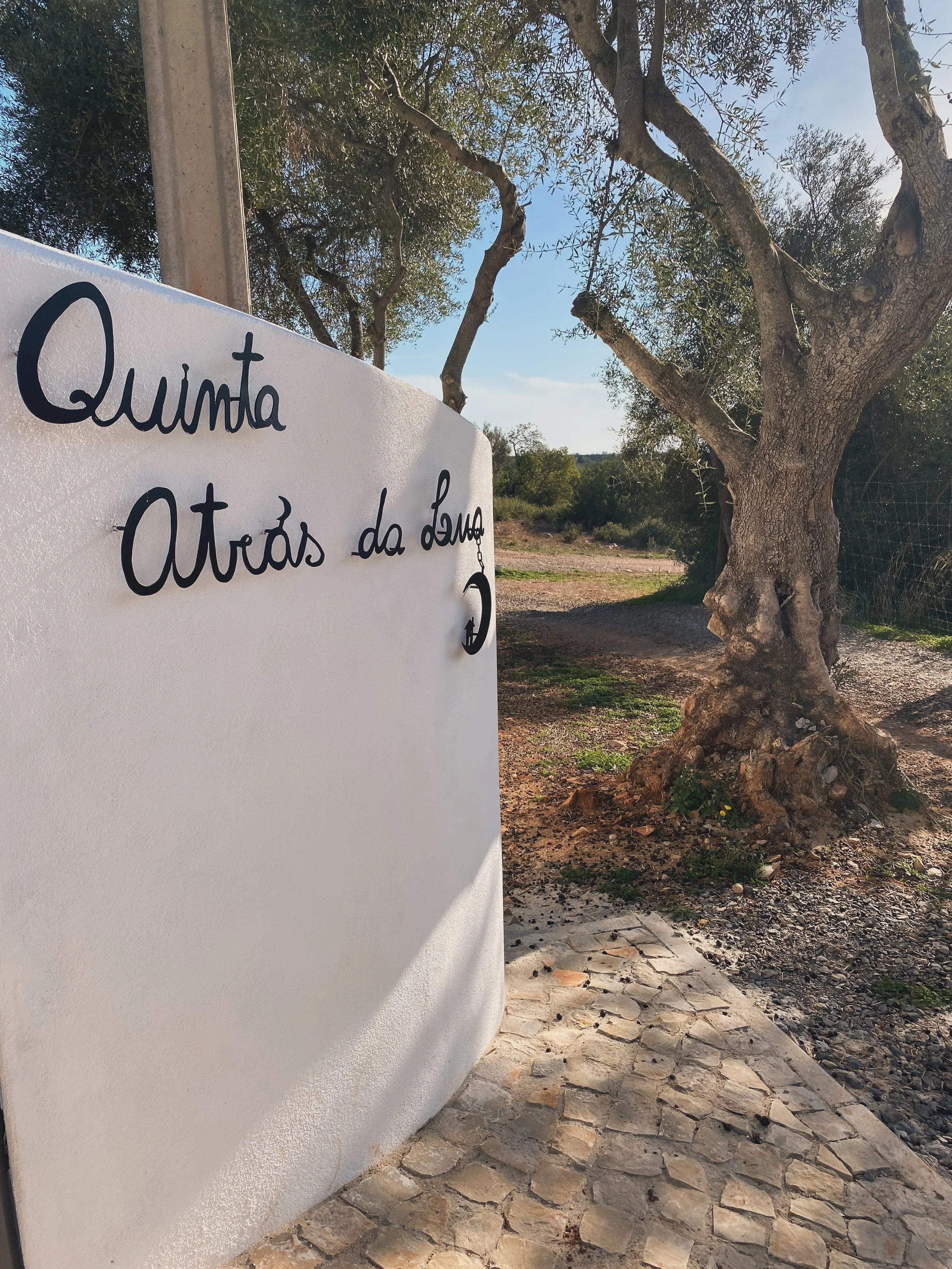
Most weeks, my attention splits between two very different homes. One is here in Clare, where the light is grey and silver and the fields are always slightly damp. The other is Quinta Atrás da Lua, a house I still care for from a distance in Tavira, in the Eastern Algarve, where the light is white and the heat sits on everything by midday. On paper, they could not be more different places to think about hospitality. In practice, I have found they are teaching me the same lesson from two directions at once.
Running a property you cannot walk through every day changes how you think about design. You stop obsessing over the small daily adjustments you would make if you were standing in the room, and you start thinking instead about the decisions that hold up without you there - the ones that are still right on a day you never see. A colour that still feels calm in July heat and January damp. A layout that still makes sense whether the manager on site that week is having an easy day or a hard one. Good hospitality design, I have realised, is not about your presence. It is about what continues to work in your absence.
That has changed how I approach every project now, not just the ones I am not physically near. I ask myself whether a space depends on someone hovering over it to feel right, or whether it has been built with enough thought that it simply holds its own. A guest arriving at either of my two homes should feel the same quality of care, even though I did not personally greet them at the door.
Two countries, two climates, two very different sets of guests. But the same underlying question, asked over and over: have I designed something that will still feel considered on the days I am not there to make sure of it.

What the Ocean Taught Me About Restraint
There is a particular kind of light that only happens near the sea. It changes its mind constantly - soft and silver one hour, sharp and gold the next, gone entirely behind cloud before you have finished admiring it. Living close to the Atlantic here in Clare, I have started to notice how much that light dictates what a room actually needs, and how much of what I once thought a space required was really just decoration standing in for a view that was never given the chance to do the work itself.
The ocean does not perform. It does not need help looking impressive. It simply is, in whatever mood it is in that day, and the most a room can do is get quietly out of its way. That has changed how I approach a lot of interiors, especially ones lucky enough to sit near water. I find myself pulling back rather than adding. Fewer competing colours. Fewer surfaces trying to catch the eye when the eye should really be going out the window. A room near the sea does not need to be the main event.
I think this is really a lesson about restraint more broadly, not just about coastal homes. The instinct in design, especially when a client is excited and a budget allows for it, is often to add - one more texture, one more statement piece, one more layer. But the sea has taught me that some of the most powerful design decisions are the things you choose not to do. The wall you leave plain because the light will do more for it than paint ever could. The window you do not dress, because what is happening outside it is the whole point.
Restraint is not the absence of design. It is a form of trust - trust that the view, the light, the material, is already enough, and that your job is simply not to get in its way.
The More You Travel, the More You See
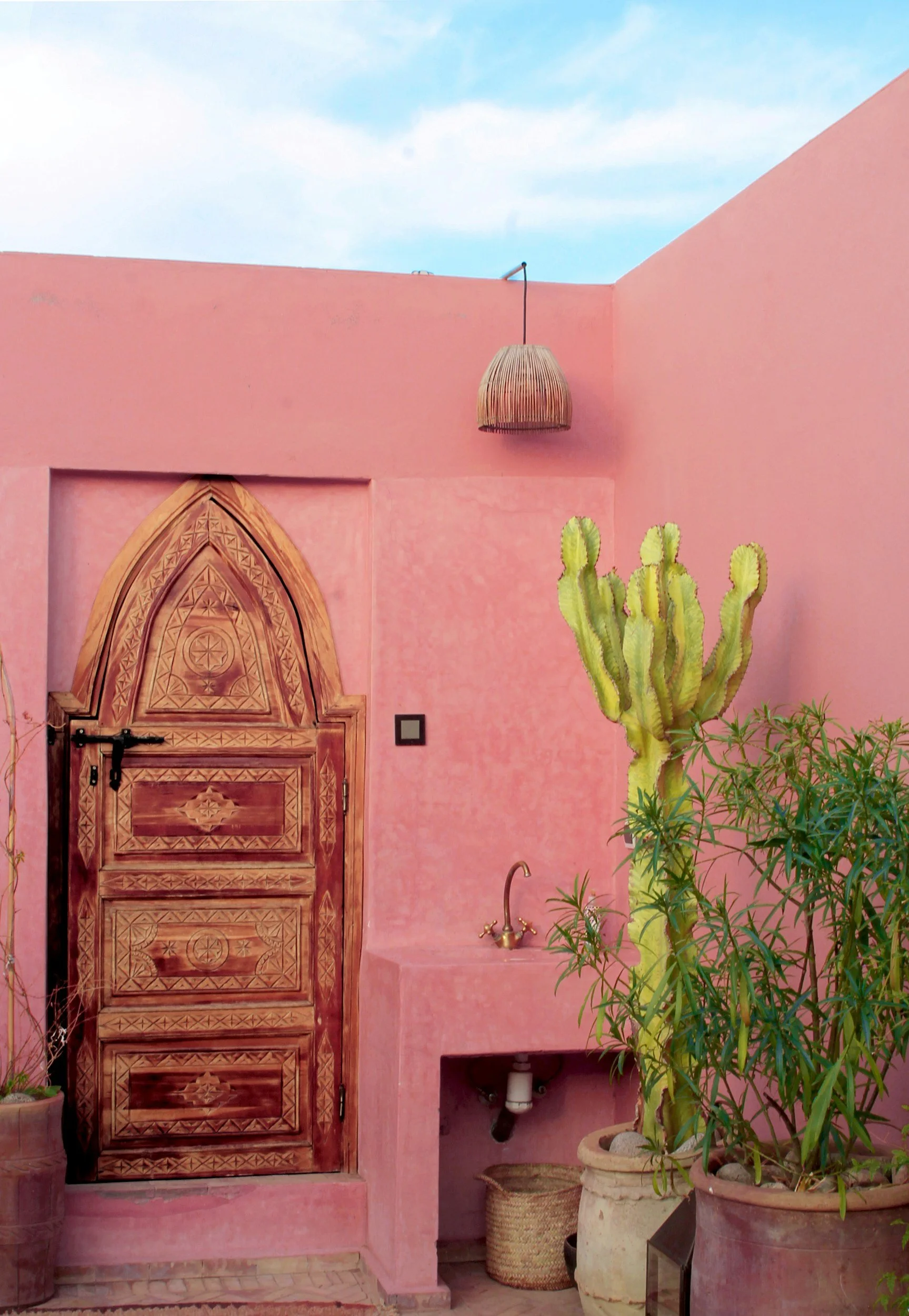
I am in the middle of preparing for a trade show in Marrakesh, and already, before I have even landed, I can feel it doing its usual work on me. Every trip does this. I arrive somewhere thinking I have a fairly settled sense of how a space should feel, and I leave a week later with that sense quietly rearranged.
It happens in small moments, usually. A courtyard that manages to feel cool in blistering heat without a single visible trick. The way a market stall arranges colour against colour in a way no design course would ever teach you, and yet it works instantly. A hotel lobby that tells you everything about a country's sense of hospitality within the first few steps through the door. None of this is something you can research your way into understanding. You have to stand in it.
I think this is why I have never really trusted the idea of a fixed personal style. The moment you believe you have found "your look," you stop noticing the things that might change it. Travel keeps that from happening. You cannot unsee a cleverer way of using light once another country has shown it to you. You cannot go back to your old assumptions about colour once you have stood in a room that used it more bravely, and more rightly, than you would have dared.
What I bring home from these trips is rarely a literal object, though sometimes it is that too. More often it is a shift in judgment. A slightly different instinct for when to hold back and when to be bold, borrowed from somewhere I only spent a few days. Each place I visit adds one more voice to the conversation I am having with myself every time I start a new room.
So while a trip like this one is, on paper, about meeting people and showing our work to a new audience, I know the real value of it will show up much later - quietly, in a decision on some future project, made a little differently because of something I noticed on a street I will probably never walk down again.
Flowers and Interiors Are the Same Discipline
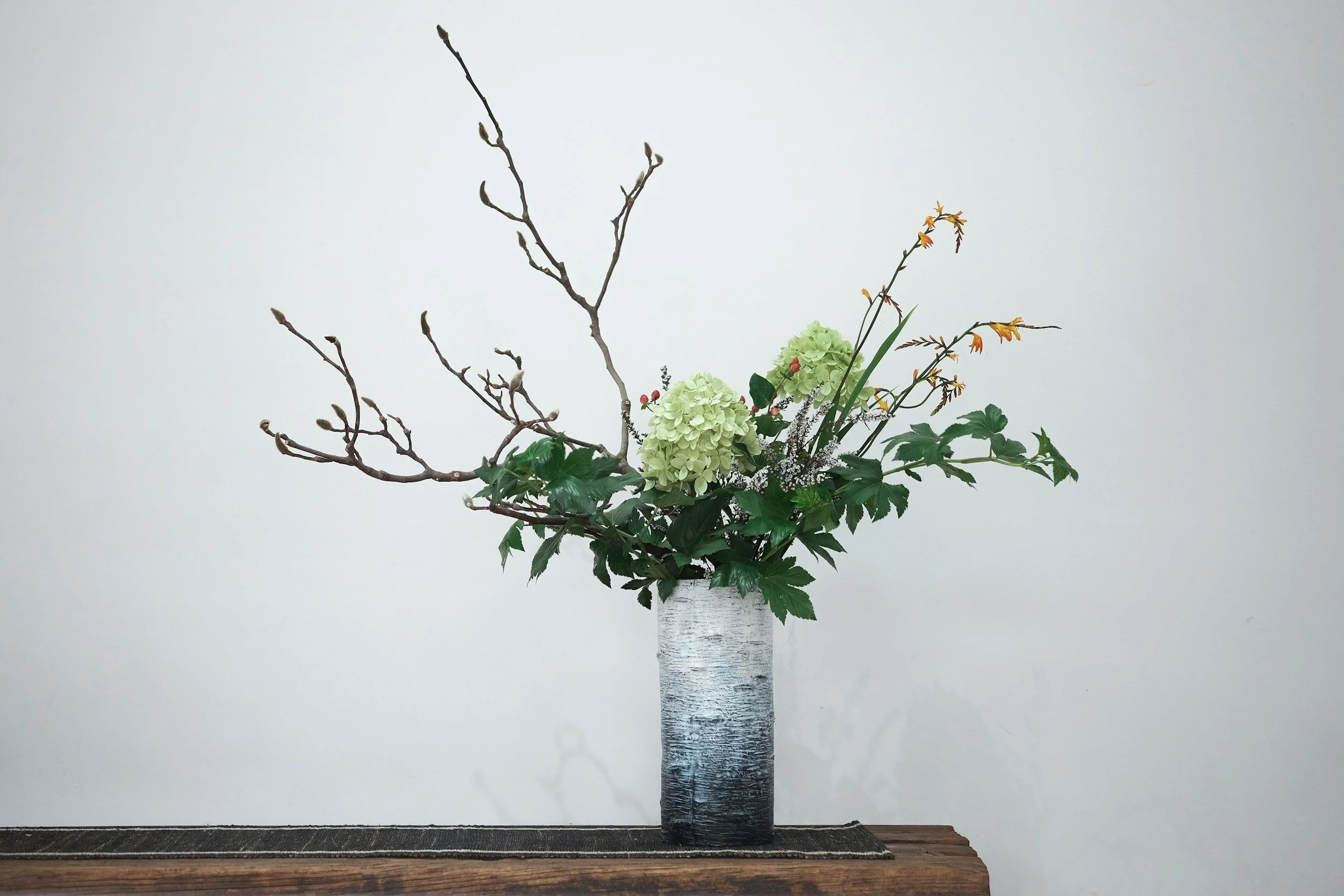
People sometimes seem surprised that floristry and interior design occupy the same part of my brain. I understand why, on the surface - one is temporary, living, gone within a week; the other is meant to last for years. But spend enough time doing both, and you start to notice they are asking the exact same questions, just at a different scale.
Proportion is the first one. A single oversized bloom can unbalance an entire arrangement the same way one piece of furniture, sized wrong for a room, can throw off everything around it. Texture is the second. The way a rough, papery seed head sits against something soft and full is not so different from the way I think about pairing a raw linen against a polished surface. And restraint is the third, and probably the most important. The instinct to add just one more stem, one more colour, one more flourish, is the same instinct I have to actively resist when I am finishing a room. In both disciplines, the difference between something beautiful and something merely busy usually comes down to what you were disciplined enough to leave out.
I think this is part of why the idea of a shared studio space, working alongside a florist, has appealed to me as much as it has. It is not simply a practical arrangement, splitting a room in Ennis between two trades. It is a genuine overlap in how we both see. A florist arranging stems and a designer arranging a room are both, at heart, doing the same quiet work of composition - deciding what draws the eye first, what settles into the background, and what gets left out entirely so the rest can breathe.
I do not think of floristry as a hobby that sits beside my design work. I think of it as the same discipline, practised on a smaller and more fleeting scale. Learn to arrange flowers well, and you have already learned most of what you need to arrange a room.
What Moss and Lichen Taught Me About Slow Design
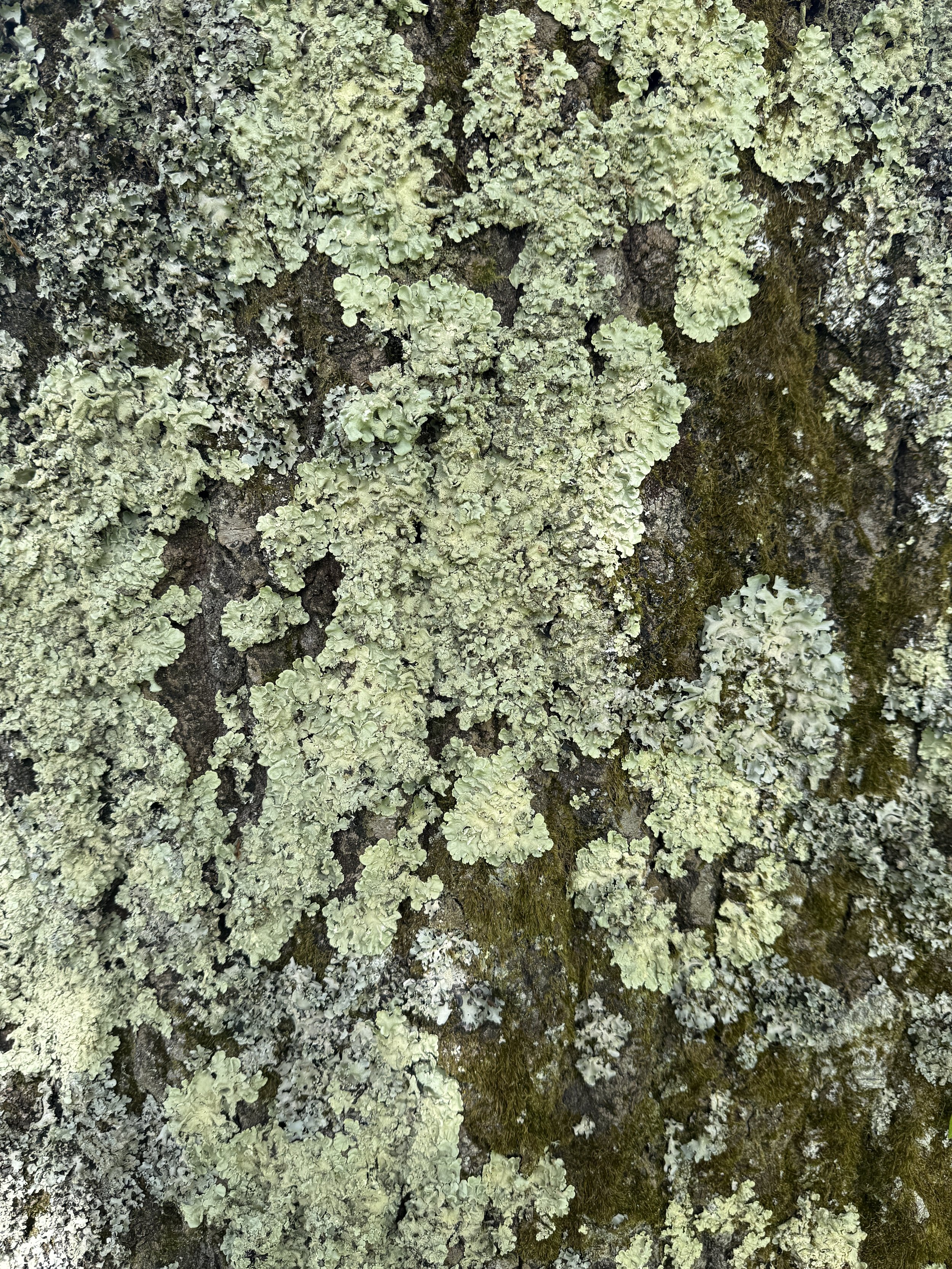
I have a habit that probably looks a little strange from the outside. I stop on walks to look at lichen. The pale, papery kind on a stone wall, the mossy green cushioning the base of a tree - I will crouch down for a proper look while whoever I am with waits patiently, or not so patiently, a few steps ahead.
I have always been drawn to it, but living here in Clare has made it worse, in the best way. This is a landscape that grows things slowly, on its own schedule, with no interest in being rushed. A stone wall does not get its lichen from a supplier. It earns it, patch by patch, over years the wall has simply stood still and let the world happen to it.
That is what I keep coming back to when I am designing a room. So much of what fills a home now is made to look finished on day one - manufactured, matched, complete the moment it leaves the shop. But the interiors that actually hold up, the ones that feel richer the longer you live in them, tend to be the ones that were allowed to arrive slowly. A rug that softens with wear. A brass handle that dulls and warms with handling. A room that is layered in gradually, over seasons, rather than delivered all at once.
Moss and lichen do not attach themselves to anything trying to move fast. They need stillness, damp, time, a surface that is willing to be patient with them. I think good design asks something similar of the people making it. Not everything needs to be resolved in the first sitting. Some of the best textures in a home are the ones that were never designed at all - just left alone long enough to become themselves.
It is a small, quiet kind of attention, and it has shaped how I work more than almost anything else. Look slowly enough at anything, even a wall, and it starts to tell you something.
The Room No One Photographs
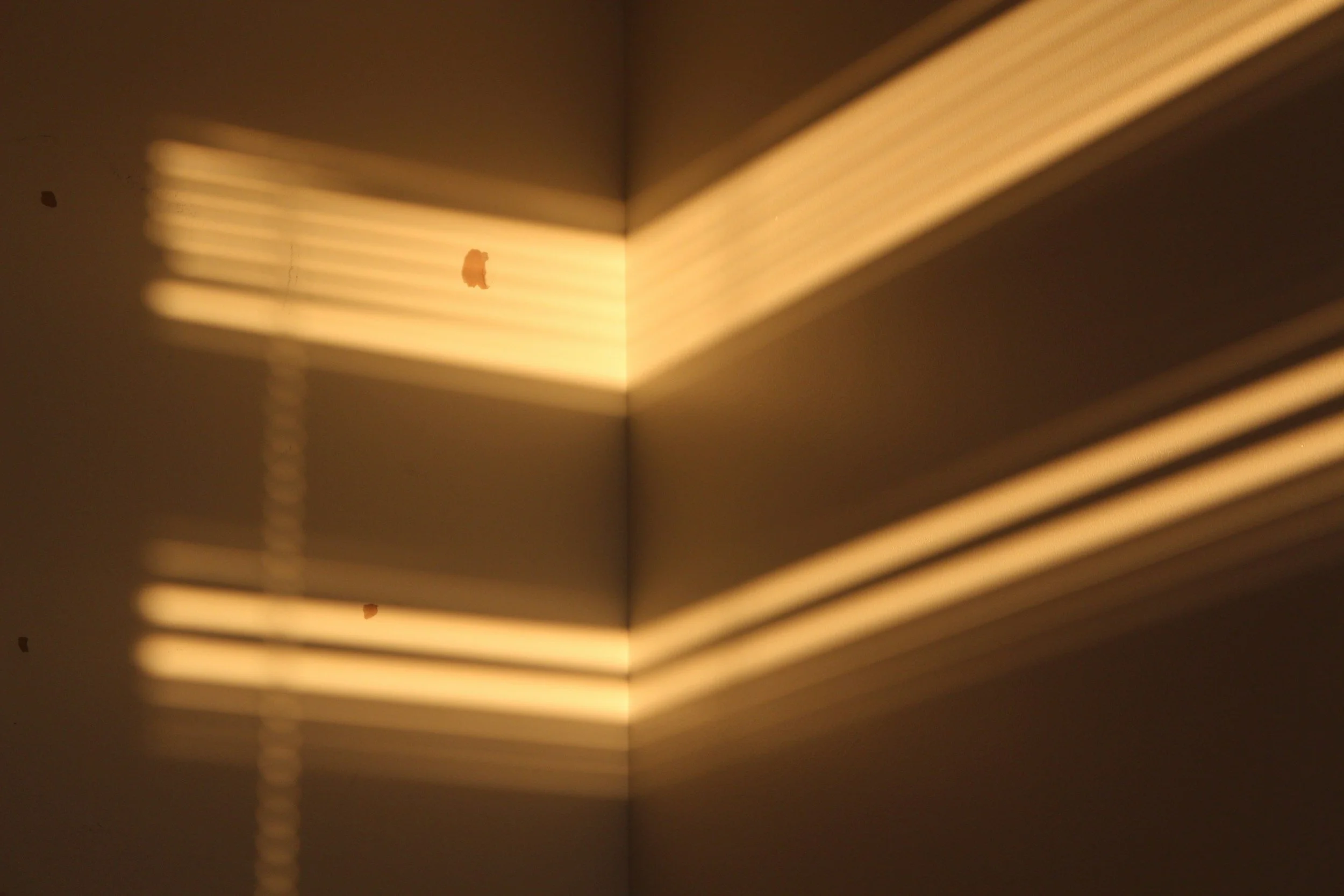
Every project has a moment nobody will ever see a picture of. It is not the finished sitting room, styled and lit and ready for a reel. It is a site visit on a wet Tuesday, standing in an empty shell of a room with an architect, a tape measure, and a list of questions that all start with "what if." It is a drawing marked up in three different colours of pen. It is a phone call about whether a wall is load-bearing that determines everything else that follows and will never once appear in a portfolio.
I have come to think this is actually where a project is decided. Not in the final styling, which is often the easiest part once everything underneath it has been done properly. In the early, invisible weeks, when the real questions get asked. Where does the light actually fall in December, not just in the photos taken in June. What does this space need to do for the people using it every single day, long after the excitement of a finished reveal has worn off. Working alongside architects, engineers, and quantity surveyors, I have learned that the unglamorous groundwork is not a delay before the real design begins. It is the real design begins.
There is a particular kind of trust involved in that stage, too. A client rarely gets to see this part directly. They are trusting a process they cannot yet picture, based on nothing more than a conversation and a plan on paper. I take that seriously. It is easy to make a finished room look considered. It is much harder, and far more important, to make sure the bones underneath it were considered first.
So when people ask what I actually do all day, the honest answer is often far less glamorous than the finished photographs suggest. And I would not have it any other way. The room no one photographs is usually the reason the room everyone photographs works at all.
On Patina and Imperfection
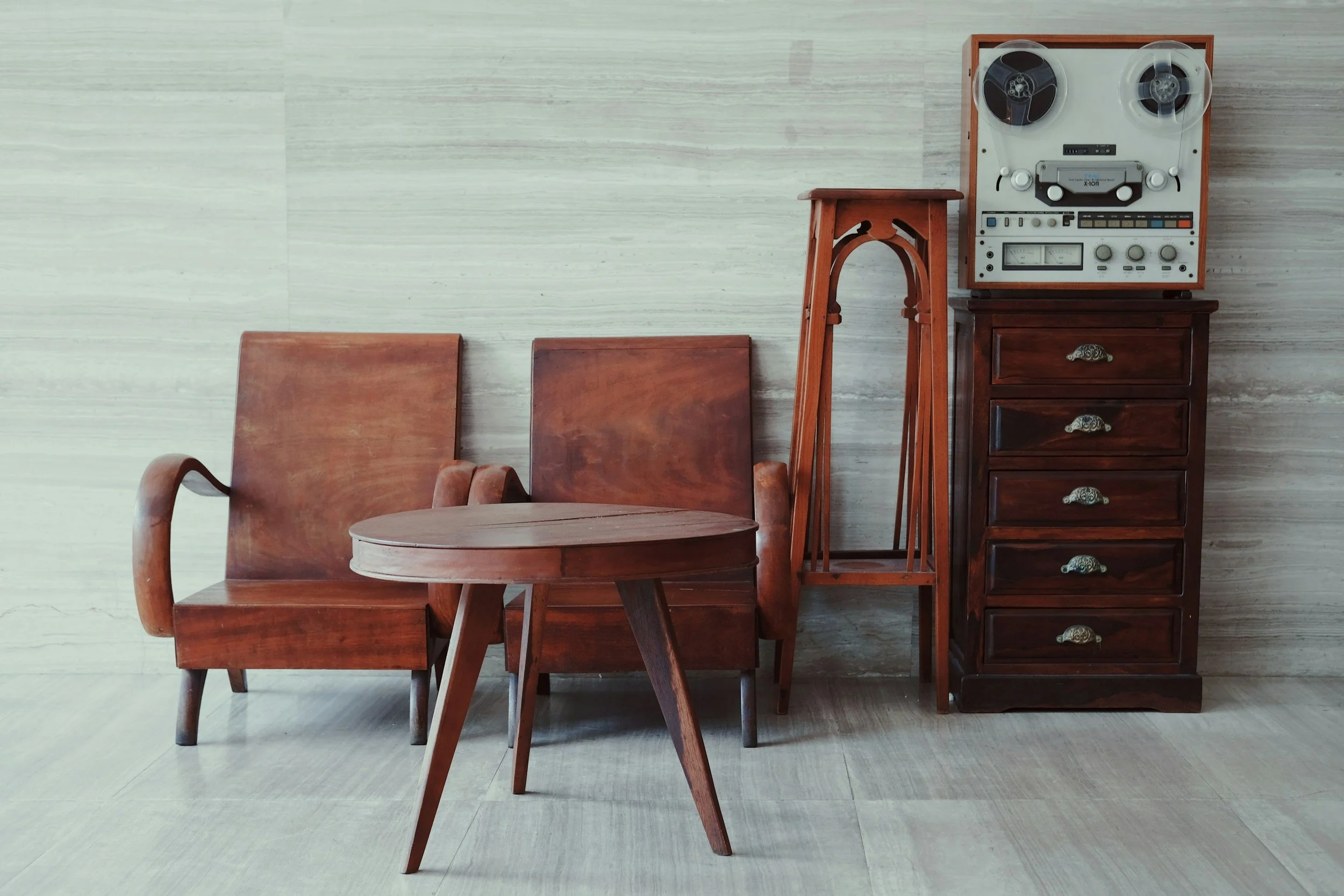
There is a table I think about often. Not one I designed - one I inherited an opinion about, years ago, from a client who almost sanded the top of hers back to nothing before I stopped her. It had scuffs from decades of breakfasts. A ring where a hot pot had sat once, in a hurry, and never quite lifted. She saw damage. I saw a diary.
That is the difference I try to hold onto in this work. A brand-new surface tells you what something is. A worn one tells you what it has lived through. And increasingly, in a world full of perfectly smooth, perfectly matched, perfectly new interiors, it is the second kind of surface that people actually respond to when they walk into a room.
I think it is because polish, past a certain point, starts to feel like distance. A space that is too finished can feel like it is keeping you at arm's length - admire, but do not touch. Whereas a wall with a little uneven plaster, a table with real scars, a floor with the soft dips left by years of footsteps, all say something quieter: this is a place things actually happen. You are allowed to live here too.
None of this means neglect. There is a real skill in knowing which imperfections to keep and which to repair - a scuff tells a story, but a genuinely failing surface just needs attention. Good patina is not the absence of care. It is evidence of a long relationship between a material and the people who used it.
So when a client asks me whether we should replace or restore, my instinct is almost always to look for what can be kept. Not out of sentimentality, but because those marks are doing work that no amount of new finish can replicate. They are what make a beautiful room feel like somebody's home, rather than somebody's showroom.
Why We Don't Chase Trends
I get asked fairly often what is "in" right now. What colour everyone wants this year. What everyone is ripping out and replacing. And I understand the question. But it is not really how I think about a home.
There is a particular kind of interior that has become very familiar over the last few years. Designed for the photograph. Built around a single feature wall, a viral colour, a shape that will look extraordinary for exactly one season before it starts to feel dated. It is not that these spaces are without skill. Many of them are beautifully executed. But they are built to be looked at, not lived in. And a home is not a stage set. It is not something you visit once and admire. It is where you make your coffee at seven in the morning, half asleep, and where you end up at eleven at night, still talking, long after you meant to go to bed.
That is the space I am interested in designing.
So when a trend comes through my door, I ask a different question than "is this popular right now." I ask whether it will still feel true to the people living there in five years. Whether it is a texture or a material with some honesty to it, or whether it is simply loud for the sake of being seen. Some trends pass that test. Natural materials, worn textures, things with a bit of age and story in them, tend to hold up well because they were never really trends to begin with. They are just good, considered choices that happen to be having a moment.
Others do not pass, and I will say so, even when a client has fallen for something on their feed. Not because I think their taste is wrong, but because my job is to help build something that lasts longer than an algorithm's attention span.
I would rather design a room that quietly gets better with age than one that peaks the day the photos go up. That is not a rejection of what is current. It is a different question altogether - not "what is everyone doing," but "what will still feel like you."

The 90 minutes that change everything
When people first reach out, they are often surprised to hear that we do not offer a free chat before we begin work together.
I understand why. It is what most people are used to. A quick call, a bit of back and forth, a proposal that follows. But early in my career, in hospitality, I learned something that has never left me: the moment someone gives you their attention is the moment that matters most. Not the polished follow-up. Not the brochure. The room itself, and how much care goes into the first hour someone spends in it.
That is why every project with The Haus Collective begins with a paid, 90-minute consultation.
It is not a sales call. It is not a chance for me to pitch you on why we should work together. It is the opposite. It is 90 minutes where I sit with you, in your space, and actually listen. To how you live. To what has been bothering you about a room for years. To the plans you have half made and the ones you have not said out loud yet. I ask the questions that get past "I want it to feel more modern" and toward what modern actually means for your life.
By the end, you do not just have a nice conversation behind you. You have direction. Clear next steps, tailored to your space, and a proposal where it makes sense to move forward - credited fully against your first invoice if you do.
I ask people to invest in that hour because I believe it deserves to be taken seriously, by both of us. A free call rarely gets past small talk. A paid one gets straight to the truth of a space, and the people in it.
That, to me, is where good design actually starts. Not with a mood board. With ninety minutes of real attention.

What Design Looks Like When It Stops Trying to Impress
I think some of the most beautiful spaces are the ones that stop trying so hard.
So much of design now feels performative. Rooms designed for the photograph, for the first reaction, for the quick moment of admiration. And while I can appreciate beauty in all its forms, I am always far more drawn to spaces that feel honest. Spaces that are warm, lived-in, layered, and quietly confident in what they are.
To me, design becomes far more interesting when it stops trying to impress and starts trying to hold people instead.
It is in the softness of a room at the end of the day. The lamp that is always turned on in the corner. The worn timber table that has history in it. The chair everyone naturally ends up sitting in. The mix of old and new that should not work on paper, but somehow does. The books, the texture, the scent, the sense that life is actually being lived there.
Those are the spaces I remember.
Not the ones that feel too polished or too aware of themselves, but the ones that feel grounded. The ones where nothing is shouting for attention, yet everything sits beautifully together. There is a kind of confidence in that. A space that does not need to prove anything usually has far more depth.
I think good design should make you feel more like yourself, not less. It should support your life, reflect your story, and create a sense of ease. It should not feel like a stage set or a collection of trends assembled to be approved by other people. It should feel personal, intuitive, and real.
For me, that is when a home becomes truly beautiful. Not when it is perfect, but when it feels settled. When it has soul. When it welcomes rather than performs.
That is the kind of design I am always drawn to - spaces with warmth, character, memory, and a quiet sense of belonging.
What Hospitality Taught Me About Making People Feel at Ease at Home
Before moving into interior design, I spent years in luxury hospitality, and that world shaped me deeply. It was never just about service or presentation. It was about how a place made people feel the moment they arrived. The softness of the lighting in the evening, the scent in the air, the quiet rhythm of a room, the pride behind every detail, and the feeling that someone had really thought about your experience before you even noticed it yourself.
That way of thinking has never left me.
What hospitality taught me, more than anything, is that the most memorable spaces are not always the grandest. They are the ones that make people feel instantly at ease. The ones that feel warm, calm, considered, and quietly beautiful. The ones where everything works as it should, where nothing feels jarring, and where there is a sense of care in every corner.
I still carry that with me in the way I design homes now.
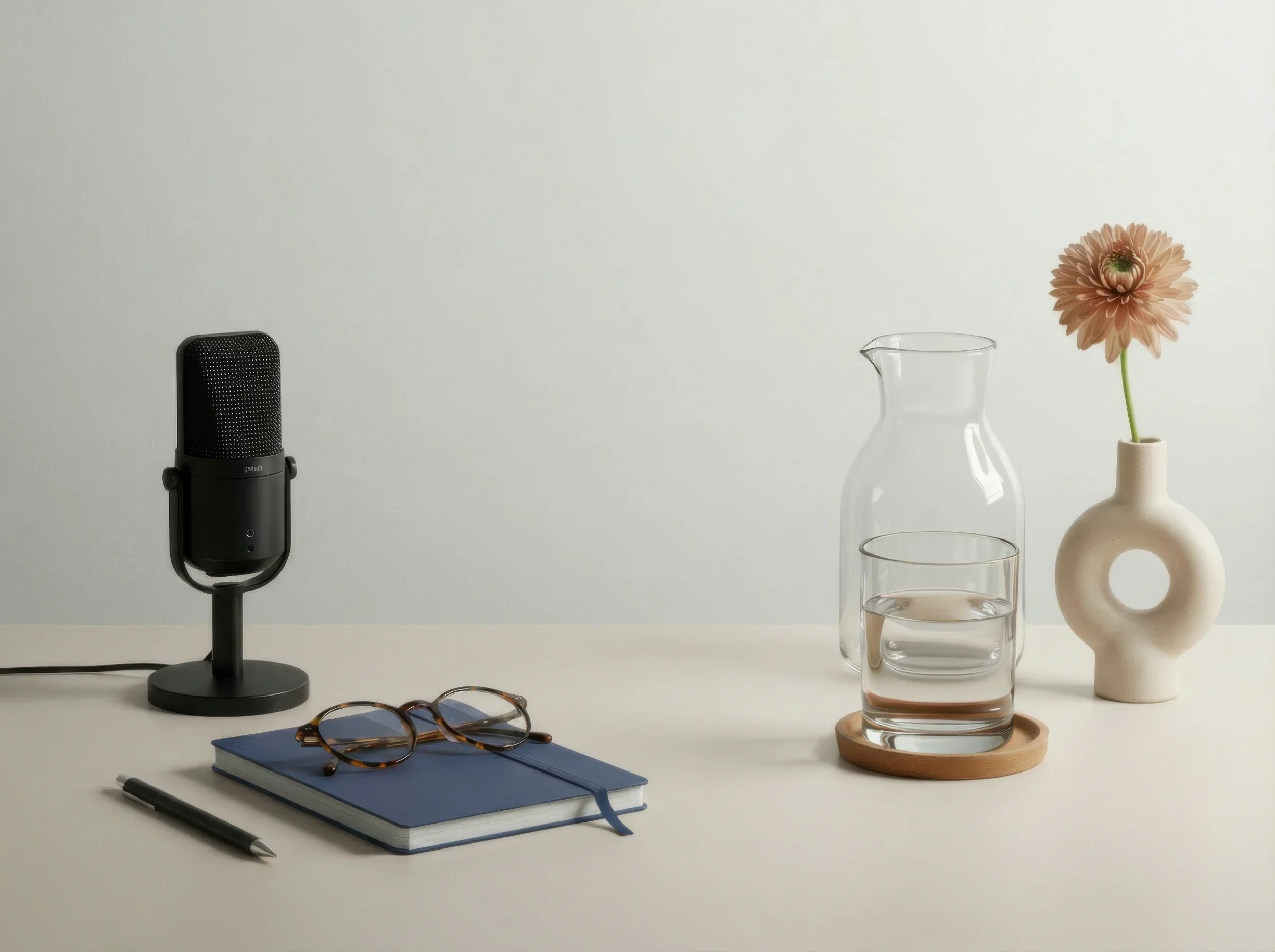
For me, a home should do more than look beautiful. It should welcome you. It should soften the edges of the day. It should feel intuitive, comforting, and deeply personal. It is in the atmosphere of a space, the way the light falls in the morning, the touch of natural materials, the smell of candles in the evening, the balance between openness and warmth, and the feeling that everything has been chosen with intention.
Hospitality also taught me to take enormous pride in the details. The things people may not always be able to name, but always feel. A room that flows well. A corner that invites you to sit down. A bedroom that feels restful the moment you enter it. A home that does not just impress, but genuinely holds you.
To me, that is where luxury really lives. Not in excess, but in ease. In thoughtfulness. In the quiet confidence of a space that feels settled, welcoming, and true to the people who live there.
That is the lens I bring to every project at The Haus Collective. Not just how a home looks, but how it feels to wake up in, return to, gather in, and live in every day. Because the most beautiful spaces, to me, are the ones that make people feel something - and feel at home.